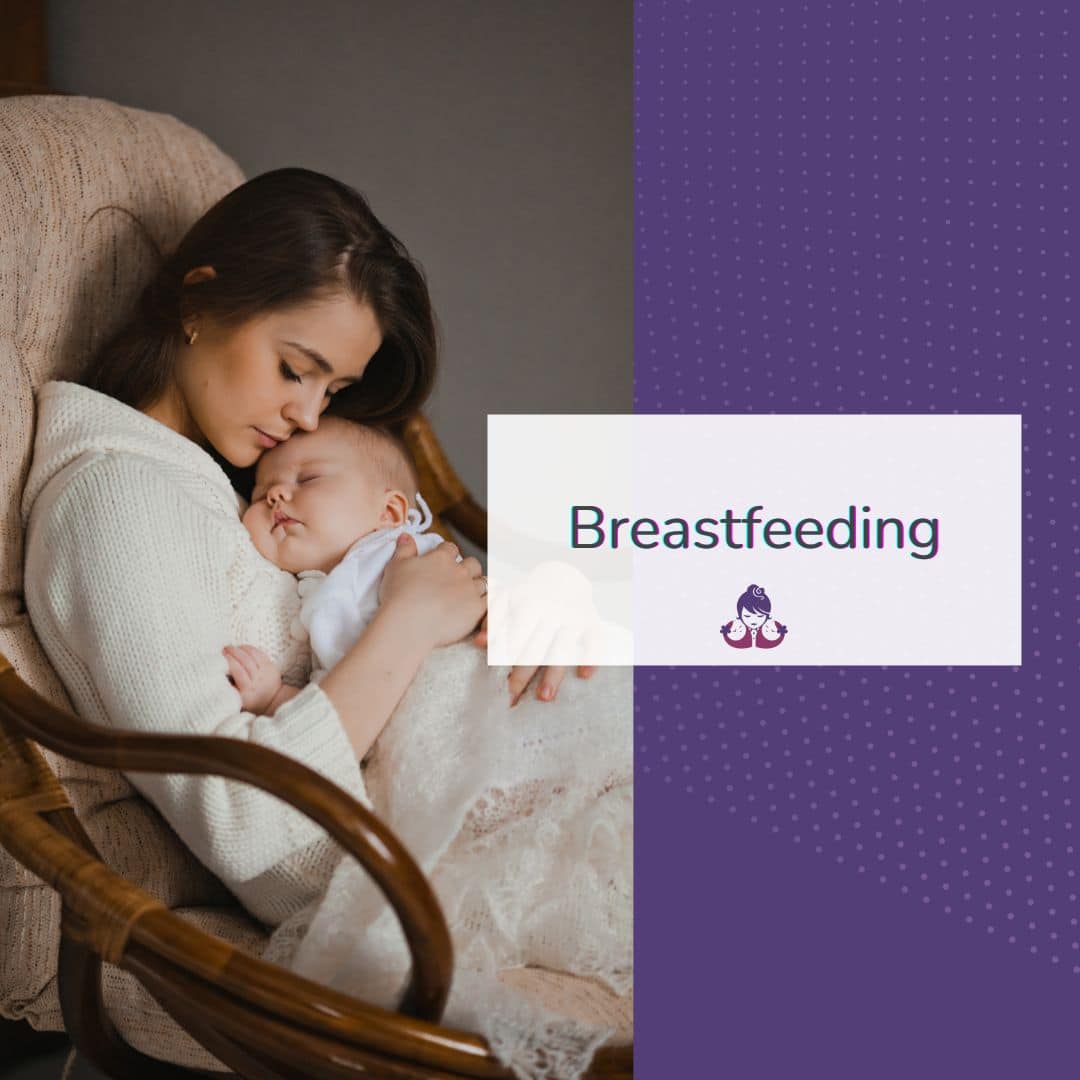
How to Soothe and Heal Sore Nipples from Breastfeeding
Breastfeeding is a beautiful bonding experience, but it can sometimes lead to sore nipples. This discomfort can make feeding challenging for new moms. In this article, we’ll explore effective ways to soothe and heal sore nipples, ensuring a more comfortable breastfeeding journey.
Identify the Cause of Soreness
Understanding why your nipples are sore is the first step to healing. Common causes include improper latch, prolonged feeding, or thrush infection. By identifying the root issue, you can address it directly and prevent further discomfort.
Ensure Proper Latching Techniques
An improper latch is a leading cause of nipple soreness. Make sure your baby takes a large portion of the areola into their mouth. This reduces pressure on the nipple itself. If you’re unsure about your technique, consult a lactation consultant for guidance.
Use Breast Milk for Healing
Breast milk has natural healing properties. After feeding, express a few drops and gently rub it onto your nipples. Allow it to air dry before covering. This simple method can promote healing and provide relief.
Apply Warm Compresses
Warmth can soothe soreness and increase blood flow. Before feeding, apply a warm, damp cloth to your nipples for a few minutes. This can also help with milk flow, making feeding more comfortable for both you and your baby.
Consider Nipple Creams and Ointments
Lanolin-based creams are safe and effective for moisturizing sore nipples. Apply a small amount after each feeding. Make sure the product is safe for breastfeeding, so you don’t need to wash it off before the next feed.
Use Nipple Shields Temporarily
If soreness is severe, nipple shields can provide temporary relief. They create a barrier between your nipple and the baby’s mouth. However, use them cautiously and under the guidance of a lactation consultant to avoid impacting milk supply.
Ensure Proper Breastfeeding Positions
Different positions can alleviate pressure on sore areas. Try the football hold or side-lying position to see which offers the most comfort. Adjusting positions can make a significant difference in reducing nipple pain.
Maintain Good Breast Hygiene
Keep your nipples clean and dry to prevent infections. Change breast pads frequently if you’re using them. Avoid using harsh soaps or alcohol-based products that can dry out the skin.
Stay Hydrated and Maintain a Healthy Diet
Your body’s healing ability is enhanced when you’re well-nourished. Drink plenty of water and eat a balanced diet rich in vitamins and minerals. This supports overall health and promotes faster healing.
Seek Professional Help if Needed
If soreness persists or worsens, consult a healthcare provider. Persistent pain could indicate an infection like mastitis or thrush. Early intervention can prevent complications and ensure you can continue breastfeeding comfortably.
Avoid Tight Clothing
Wear loose-fitting bras and clothing to reduce friction on your nipples. Consider breathable, cotton fabrics that allow air circulation. This can prevent additional irritation and promote healing.
Practice Gentle Weaning if Necessary
If the pain is unbearable, you might consider temporarily pumping instead of direct breastfeeding. This allows your nipples time to heal while maintaining milk supply. Gradually reintroduce breastfeeding when you’re more comfortable.
Conclusion
Sore nipples from breastfeeding are a common challenge, but they don’t have to derail your feeding journey. By implementing these soothing and healing strategies, you can alleviate discomfort and enjoy this precious time with your baby. Remember, seeking support from healthcare professionals can provide personalized solutions to ensure both you and your baby thrive.
Need one-to-one support? Persistent nipple pain deserves expert eyes — a lactation consultant in Singapore can pinpoint the cause and help you heal.
Breastfeeding is a natural method of nourishing your newborn, where the baby latches onto your breast to feed on milk produced by your body. Typically, this process begins within the first few hours after birth. Initially, your milk supply consists of colostrum—a thick, protein-rich liquid loaded with antibodies that hydrate your baby and protect against infections. Within three to five days, this colostrum transitions into mature milk. During this period, it’s normal for your baby to lose a bit of weight, which they will regain once your milk fully comes in.
The Benefits of Breastfeeding
Breastfeeding offers a multitude of advantages for both mother and child. Your breast milk is not only highly nutritious but also provides protective antibodies to your baby. When you encounter illnesses, your body generates antibodies that pass through your milk, bolstering your baby’s immune system. Breastfed infants have a reduced risk of developing conditions such as diabetes, obesity, asthma, and ear infections. Additionally, they have a lower chance of experiencing sudden infant death syndrome (SIDS).
For mothers, breastfeeding can aid in returning to pre-pregnancy weight more quickly. It also helps regulate blood pressure, lowers the risk of developing type 2 diabetes, and reduces the likelihood of breast and ovarian cancers.
How to Begin Breastfeeding
Breastfeeding often starts with skin-to-skin contact shortly after birth. This close interaction encourages bonding and stimulates the baby’s natural feeding instincts. Find a comfortable position for both you and your baby, guiding their mouth to your nipple. A proper latch involves the baby’s mouth covering most of the areola, not just the nipple. You should feel a pulling sensation without pain. If breastfeeding is painful, it may indicate an improper latch.
What to Expect When Starting Breastfeeding
It is a skill that requires practice and patience. You’ll need to explore different holding positions and become attuned to your baby’s feeding schedule, which can vary. It’s important to be flexible, as strict scheduling may not align with your baby’s needs. Newborns typically feed every two to three hours, but it’s essential to feed them whenever they show signs of hunger. Hunger cues include sucking on hands, increased alertness, and moving toward the breast. Feeding before your baby starts crying can make the process smoother.
Duration of Breastfeeding
The length of time you choose to breastfeed is a personal decision. Healthcare providers generally recommend exclusive breastfeeding for the first six months. Continuing to provide breast milk throughout the first year, even as solid foods are introduced, offers additional benefits. Beyond the first year, the advantages become less significant as the child transitions to a solid food diet. It’s crucial to do what feels right for you and consult your healthcare team to discuss your breastfeeding timeline.
Birth Control
While breastfeeding, you might not experience regular menstrual periods, but pregnancy is still possible. Various birth control options are compatible with breastfeeding, such as condoms, diaphragms, intrauterine devices (IUDs), and progestin-only birth control pills (often called the “mini-pill”). Consult your healthcare provider to choose the method that best suits your needs.
Common Concerns About Breastfeeding
It’s natural to have questions and concerns about breastfeeding. Here are some common issues and answers:
Is Breast Size a Factor in Breastfeeding?
Breast size does not affect your ability to breastfeed. Milk production depends on your overall health and your baby’s feeding demands, not on breast size.
Will Breastfeeding Be Painful?
It should not be painful if your baby is correctly latched. You may experience some tenderness in the first few days, but persistent pain indicates a need to adjust the latch or position.
Is Breastfeeding Difficult to Learn?
It is a learned skill that may require practice. Many resources are available, including classes during pregnancy, lactation consultants, and support groups to help you become comfortable with breastfeeding.
How Can I Breastfeed If I’m Shy or Concerned About Privacy?
If you’re concerned about privacy, you can breastfeed in private spaces or use clothing and blankets to cover yourself while feeding in public. Wearing shirts that lift from the bottom and using a lightweight cover can provide discretion.
Do I Need to Consume Dairy to Produce Breast Milk?
You don’t need to drink milk to produce breast milk. Consuming a variety of calcium-rich foods like yogurt, cheese, tofu, leafy greens, and fortified juices can provide the necessary nutrients for you and your baby.
What If I Need to Go Out Without My Baby?
If you’re away from your baby, you can pump and store your breast milk for later use. This allows someone else to feed your baby while you’re not present.
How Can I Continue Breastfeeding After Returning to Work?
Many workplaces provide private areas for pumping breast milk. By expressing milk during work hours, you can maintain your supply and have milk available for your baby when you’re apart.
Does Breastfeeding Take Up Too Much Time?
Feeding your baby requires time, whether breastfeeding or bottle-feeding. If breastfeeding is time-consuming, pumping and bottle-feeding breast milk might be an alternative. Discuss any concerns with a healthcare provider or lactation consultant.
Dietary Considerations While Breastfeeding
While breastfeeding doesn’t impose as many dietary restrictions as pregnancy, certain considerations remain:
Caffeine Intake: Limit caffeine to about 200 milligrams per day. Be mindful of timing, as caffeine can pass into breast milk and affect your baby’s sleep.
Alcohol Consumption: If you choose to drink alcohol, wait at least two hours before breastfeeding to ensure it’s cleared from your system.
Avoiding Smoking and Drugs: Smoking and drug use are harmful to both you and your baby, reducing milk supply and exposing your child to dangerous substances.
What If My Baby Won’t Latch?
If your baby has difficulty latching, you can still provide breast milk by pumping. Various pumps are available, including electric, battery-operated, and manual options. Pumped milk can be stored safely and fed to your baby via a bottle.
Seeking Help for Breastfeeding Challenges
If you encounter issues with breastfeeding, don’t hesitate to seek assistance. Healthcare providers, paediatricians, and lactation consultants can offer valuable support and guidance. They can help you with techniques, address concerns, and provide resources to make breastfeeding a positive experience.
Conclusion
Breastfeeding is a rewarding journey that offers significant health benefits for both you and your baby. While it may come with challenges, numerous resources are available to support you. Remember, every mother’s experience is unique, and it’s important to find what works best for you and your family.
Breastfeeding Pain Relief: Essential Tips for Comfortable Nursing
Understanding Common Breastfeeding Challenges
Breastfeeding, while being a profoundly beneficial act for both mother and child, often comes with its set of challenges that can lead to discomfort or pain. Recognizing and addressing these early can ensure both a healthier breastfeeding journey and a more enjoyable experience for mothers.
Dealing with Sore Nipples: Causes and Solutions
One of the most common issues faced by nursing mothers is sore nipples. This discomfort can often be attributed to improper latching by the baby. Ensuring that the baby latches deeply and correctly can significantly reduce nipple pain. Additionally, using nipple creams formulated with safe, soothing ingredients like lanolin can help heal and protect the skin. It’s also advisable to let the nipples air dry after each feeding and to change wet nursing pads promptly to prevent irritation.
Managing Engorgement: Prevention and Care
Engorgement occurs when the breasts are overly full with milk, leading to painful swelling. This condition not only causes discomfort but can also make it difficult for the baby to latch properly. Regular feeding is recommended to manage engorgement. If the baby is not feeding, gentle hand expression or using a breast pump can help relieve the pressure. Applying cold compresses after feedings can also reduce swelling, while warm compresses before feeding might help in milk flow, making it easier for the baby to latch.
Combating Mastitis: Identification and Treatment
Mastitis is an inflammation of the breast tissue that can result in pain, redness, and swelling, accompanied by fever and flu-like symptoms. This condition is often caused by a blocked milk duct or bacteria entering the breast. It is crucial to continue breastfeeding or pumping from the affected breast to clear the blockage and prevent further complications. Antibiotics may be prescribed if symptoms are severe or persist. Warm compresses and massaging the affected area can also aid in alleviating symptoms.
Selecting Appropriate Breastfeeding Gear
Choosing the right accessories can play a pivotal role in a comfortable breastfeeding experience. A supportive nursing bra is essential as it provides the necessary support to the breasts, reducing the risk of discomfort or clogged ducts. Breathable, cotton nursing pads can help keep the area dry and prevent irritation from moisture. It’s also beneficial to have a comfortable nursing pillow that helps maintain a proper position during feeding, reducing strain on the arms and back.
Expert Guidance: When to Consult a Professional
Persistent pain during breastfeeding is not normal and could indicate an underlying issue that needs professional attention. Lactation consultants can offer invaluable support by observing a breastfeeding session and providing advice on improving latch, positioning, and technique. They can also suggest specific treatments for conditions like engorgement, sore nipples, and mastitis.
Creating a Supportive Breastfeeding Environment
Creating a calm and comfortable environment for breastfeeding can significantly improve the experience. This includes having a designated quiet corner with all essentials within reach, such as water, snacks, and extra nursing pads. Staying hydrated and well-nourished is crucial for maintaining milk supply and overall health.
Breastfeeding Education and Community Support
Joining a breastfeeding support group, whether online or in-person, can provide emotional support and practical advice from other mothers. Many communities offer classes that cover the basics of breastfeeding, common problems, and how to deal with them. These resources can be incredibly beneficial for new mothers navigating the challenges of breastfeeding.
Emphasizing the Benefits of Breastfeeding Despite Challenges
Despite the challenges, the benefits of breastfeeding are immense. It provides optimal nutrition, supports immune health, and fosters a unique bond between mother and baby. Keeping the focus on these positives can motivate mothers to seek help and persevere through difficulties.
Breastfeeding is a journey that comes with its set of challenges, but with the right knowledge and tools, it can also be a deeply rewarding experience. Early intervention, proper techniques, and adequate support can make all the difference in ensuring a pain-free and fulfilling breastfeeding experience.
As an International Board Certified Lactation Consultant (IBCLC) and a mother myself, I understand the myriad of questions that come up during the postpartum period. One common concern many new mothers have is about resuming intimacy with their partners after giving birth. This is a natural and important question, as maintaining a healthy relationship with your spouse is crucial for family harmony and personal well-being.
Understanding Your Body’s Recovery After Childbirth
After childbirth, your body undergoes significant changes and needs time to heal. The general recommendation from healthcare providers is to wait for about six weeks before resuming sexual activity. This period allows for the healing of vaginal tears, cesarean incisions, and the cessation of postpartum bleeding. However, each woman’s recovery timeline is unique, and it’s essential to listen to your body and consult with your healthcare provider.
Emotional and Physical Readiness for Postpartum Intimacy
Physical readiness is only one aspect of resuming intimacy. Emotional readiness is equally important. The postpartum period can be overwhelming with the demands of a new baby, lack of sleep, and hormonal fluctuations. It’s normal to feel tired, stressed, or not in the mood. Open communication with your partner about your feelings and needs is crucial during this time.
Addressing Common Concerns About Postpartum Intimacy
Pain and Discomfort: It’s common to experience some discomfort during initial attempts at intercourse. Using a water-based lubricant can help ease this. If pain persists, discuss it with your healthcare provider, as it could indicate an underlying issue that needs attention.
Body Image After Pregnancy: Many women feel self-conscious about their postpartum bodies. Remember, your body has accomplished an incredible feat, and it’s important to be kind to yourself. Share your feelings with your partner, who can offer support and reassurance.
Breastfeeding and Intimacy: If you’re breastfeeding, you might experience tenderness in your breasts, and the let-down reflex could be triggered during intimacy. This is perfectly normal but can be managed with communication and planning.
Reconnecting with Your Partner After Childbirth
Re-establishing intimacy is a process that involves patience and understanding. Start with small, affectionate gestures like cuddling, kissing, and talking. Gradually reintroduce physical closeness at a pace that feels comfortable for both of you. Remember, intimacy is not just about sex but also about emotional connection and support.
When to Seek Help for Postpartum Intimacy Issues
If you’re experiencing significant pain, persistent lack of desire, or emotional distress about resuming intimacy, don’t hesitate to seek help. Talking to a healthcare provider, therapist, or counselor can provide you with the necessary support and resources.
Final Thoughts on Postpartum Intimacy
Resuming intimacy after childbirth is a personal journey, and there’s no right or wrong timeline. The key is to prioritize open communication with your partner and to be patient with yourself. By taking things at your own pace, you can rebuild a fulfilling and intimate connection with your spouse.
How Often Should I feed my Newborn? Ideally, you should start breastfeeding within the first hour of your baby’s life. It’s beneficial to place your newborn in direct skin-to-skin contact with you, which means having your baby lie on your bare chest. This position not only helps initiate breastfeeding but also helps your baby regulate their body temperature and naturally seek your breast. For more information on the benefits of skin-to-skin contact, please refer to our detailed article on the topic.
If there are no significant medical interventions, it’s typical for newborns to breastfeed at least eight to twelve times in their first 24 hours. This frequency of nursing, without any supplemental feeding, usually results in the baby urinating about three times and passing stools about three to four times. However, these numbers can vary. The presence of one to two wet diapers and stools in this timeframe is generally a positive sign of effective breastfeeding.
What is colostrum
During each feeding in the first day, your baby will consume small quantities of colostrum. Colostrum, often referred to as the ‘first milk,’ is a thick, yellowish or orangish substance. The amount can range from mere drops to about 5 milliliters (roughly a teaspoon) per feeding. Despite its small volume, colostrum is incredibly vital for kickstarting your baby’s digestive system. It’s packed with antibodies and other immune-boosting elements, providing your newborn with protection against various diseases they are now exposed to.
The modest amount of colostrum in the initial feedings is beneficial as it allows your baby to learn how to swallow, breathe, and suckle simultaneously. As your baby becomes more efficient at breastfeeding, they stimulate your body to produce more colostrum.
Colostrum serves a crucial role in cleansing your baby’s digestive tract of meconium and aids in the elimination of excess bilirubin, which is linked to jaundice. Thus, colostrum is a significant preventive measure against jaundice. Colostrum’s high concentration of nutrition and ease of digestion also prime your baby’s digestive system for processing more mature milk and help in stabilizing their glucose levels, preventing hypoglycemia.
The initial feedings
These initial feedings are essential in triggering the second stage of lactogenesis in your body, leading to the production of milk. Over the subsequent days to a couple of weeks, you will notice the colostrum gradually transitioning to milk. This change is evident as the fluid expressed changes from a yellow or orange color to a whiter or whitish-blue hue, indicating that your baby is consuming more and your body is producing more mature milk.
From the second day after birth, aim to breastfeed your baby about 8 to 12 times over a 24-hour period, which includes both daytime and nighttime feedings. This frequent nursing is crucial for several reasons:
Stimulating Milk Production: Regular nursing in these early days is key to establishing a robust milk supply.
Baby’s Weight Gain: Frequent feedings help your baby regain the weight they naturally lose after birth.
Preventing and Treating Jaundice: Nursing often can also protect against jaundice, a common condition in newborns.
This recommendation to nurse 8 to 12 times in 24 hours is supported by extensive research and endorsed by major health organizations like the American Academy of Family Physicians (AAFP), in the UK.
For an effective routine, you might consider nursing your baby every one and a half to two hours during the day and at least every three hours at night. This schedule not only helps in establishing your milk supply but also ensures that your baby receives enough nourishment to stimulate healthy weight gain. In fact, with frequent and effective nursing in the first week, you can expect your milk production to increase significantly, sometimes even ten to twenty times more than initially.
By maintaining this pattern of frequent nursing during the first few days, you’ll be setting a solid foundation for successful breastfeeding.
Should I put my baby on a schedule?
Regarding whether you should put your baby on a feeding schedule, especially when exclusively nursing, it’s generally advised against, particularly in the first six weeks. Scheduling feedings during this period has been linked to slower weight gain in babies. Additionally, adhering to a strict feeding schedule can lead to early weaning. This is because scheduled feedings can reduce milk production; when nursing is delayed or postponed to fit a schedule, it can cause engorgement, signaling the body to reduce milk production. These reductions can then lead to the need for supplementation and potentially early weaning.
It’s important to understand that babies, particularly newborns, are very sleepy in the first 24 to 48 hours after birth. While it was once common practice to wake babies frequently for feedings during these initial days, recent research suggests that this could actually contribute to greater weight loss. This is particularly true if you experienced interventions such as IV fluids during labor. However, if your baby continues to be excessively sleepy beyond the first 48 hours, it’s advisable to wake them for feedings and perhaps seek medical advice to ensure they are feeding effectively.
Will I spoiled my baby by feeding on demand and carrying too much?
To understand when your baby is hungry without relying on a schedule, it’s crucial to become attuned to their hunger cues. Babies communicate their hunger in various ways, and these cues become more pronounced as they get hungrier. Early signs of hunger include subtle movements like fluttering eyelids, mouth movements, and bringing hands to their mouth. As they become more distressed, these cues become more obvious, like whimpering or crying. Responding to these early signs makes it easier to feed your baby, as they are calmer and can latch on more easily.
In the first week after birth, the capacity of your baby’s stomach will gradually increase, necessitating more milk. Initially, their stomach can hold only about 30 to 60 milliliters (ml) per feeding. By the fourth day, they might need between approximately 295 and 590 milliliters of milk per day. It’s important to keep in mind that your baby’s stomach is still quite small and empties quickly since breast milk is easily digestible. As a result, your baby may feel hungry again soon after being fed.
Rather than sticking to a rigid schedule, observe and respond to your baby’s natural hunger cues. This approach will help ensure that your baby is fed adequately and is gaining weight appropriately.
After the first week
In the initial weeks following birth, it is important to breastfeed your baby whenever they show signs of hunger. As they grow, their nutritional requirements will increase. During the first month to six weeks, your body is typically working towards establishing full milk production. Research has indicated that the volume of milk a baby consumes increases most significantly in the first three weeks of life. By responding to your baby’s hunger signals and nursing them accordingly, you will help boost your milk production to adequately meet their needs.
Baby’s Growth Spurt
It’s quite common for babies to have periods when they want to nurse more frequently. These are often referred to as “growth spurts” or “wonder weeks.” During these times, the increased frequency of feeding will encourage your body to produce more milk, and the act of nursing generally helps to soothe your baby.
By the time your baby is two to three weeks old, they will typically consume about 60 to 90 milliliters (ml) of milk per feeding, amounting to approximately 445 to 740 milliliters daily. After the first three weeks, your baby’s rate of consuming milk might slow down slightly, but their overall intake will still continue to increase gradually over the following weeks.
Towards the end of the first month, a baby usually intake is approximately 570 to 900 milliliters. This variation is normal and depends on the individual needs and growth patterns of each baby. It’s important to note that some babies may consume less and others more, and both can fall within the normal range. This amount includes feedings during the night. Recent studies have shown that many babies nurse most frequently between 9 p.m. and 3 a.m., taking in approximately 20% of their total daily caloric needs during these hours. Over a 24-hour period, a baby aged between one and six months typically consumes around 90 to 150 milliliters per feeding, though this can vary depending on the time of day.
How often should I feed after my milk as established?
Once your milk supply is well established, the frequency of breastfeeding can vary widely, as each baby and nursing parent is unique. Some mothers have a larger milk storage capacity, which means their baby might consume more milk in a single session and therefore need fewer feedings throughout the day. On average, exclusively breastfed infants typically nurse about 8 times a day, though this can range anywhere from 4 to 13 sessions daily. It’s important to note that some babies feed quickly and efficiently, while others may take their time with each feeding.
As your baby grows and becomes more efficient at nursing, you might notice a decrease in the frequency of feedings. This change is a natural response to your baby’s growing abilities and your body’s adaptation to their needs. The key is to let your baby guide you. Unlike a clock, your baby can indicate when they’re hungry, thirsty, or simply in need of closeness and comfort. Nursing is more than just a means of providing nourishment; it’s a nurturing and bonding experience that fulfills both physical and emotional needs.
Breastfeeding is a dynamic interaction
Breastfeeding is a dynamic interaction between you and your baby. It’s not just about feeding; it’s about engaging in a two-way communication that includes physical, biochemical, hormonal, and psychosocial exchanges. Through breastfeeding, you’re not only feeding and hydrating your baby but also building a deep emotional bond. You’re teaching your baby about relationships, sending them important immunological components, and contributing to their brain development. This unique relationship is beneficial for both of you, helping your body become more resistant to diseases and supporting your baby’s overall growth and development.
Is Night Feeding Important?
Yes, night nursing is indeed an important aspect of breastfeeding for several reasons. It plays a vital role in building your milk supply, fostering the breastfeeding relationship, and supporting your baby’s proper weight gain. Night feeding is a normal behavior for all newborns, regardless of whether they are breastfed or formula-fed, and whether or not they have started on solids.
Studies, including one that observed over 700 babies aged between six and twelve months, found that nearly 80% of these infants woke up at least once during the night. This pattern was consistent among both breastfed and formula-fed babies, highlighting that night awakening is a common and normal part of infant development, not necessarily influenced by the type of feeding.
Reasons why babies wake up
There are several reasons why young babies wake up during the night. One of them is the digestion of human milk, which is typically digested in about 1.5 hours due to its composition that is easy to digest and gentle on the baby’s kidneys. Research has shown that, especially in the early weeks and months, many babies nurse most frequently between the hours of 9 p.m. and 3 a.m., taking in about 20% of their total daily caloric needs during these hours. However, this stage of frequent night nursing doesn’t last indefinitely.
Additionally, the research indicates that the type of food (breast milk or formula) or the introduction of solid foods doesn’t significantly alter a baby’s patterns of waking up at night. These patterns are more related to the developmental stage of the baby rather than their diet.
As babies grow older, they tend to wake up less often at night and require fewer night feedings. Interestingly, studies have shown that breastfeeding mothers and their partners often get more (about 45 minutes more per night) and better quality sleep (more deep sleep) compared to those who formula-feed.
Can my baby to sleep through the night?
While many parents wish for their babies to sleep through the night, this is quite rare and could even be risky for younger babies. Some research related to Sudden Infant Death Syndrome (SIDS) suggests that infants who are more easily arousable may have increased protection from SIDS. Breastfeeding has been found to be a significant factor in protecting against SIDS, with exclusive breastfeeding offering an increased protective effect.
By breastfeeding your baby, including at night, you are providing them with the best start in life. Night nursing is an integral part of this nurturing process, though it can sometimes be challenging. Remember, you are not just feeding your baby but also offering comfort, security, and a strong foundation for their healthy development!
What can I do to make this sweeter?
Incorporating SLB as a part of your nighttime routine can be incredibly beneficial, especially for breastfeeding mothers. These lactation bakes are not just a delightful treat but are designed to support your milk supply, which is particularly crucial during night feedings.
SLB lactation bakes are typically crafted with ingredients known to promote lactation, such as oats, flaxseed, and brewer’s yeast. These ingredients not only nourish you but can also help in enhancing the quality and quantity of your breast milk. Enjoying these bakes as a part of your nighttime routine can provide a dual benefit – they can be a comforting snack during late-night nursing sessions and may also assist in maintaining a healthy milk supply.
Having SLB lactation bakes as a nighttime companion can add a comforting ritual to your breastfeeding journey. They not only provide nutritional support but also offer a moment of indulgence for you, which can be incredibly important during the demanding postpartum period.
Remember, while lactation bakes can be a supportive element, the core of night feeding’s importance remains in its role in building and maintaining your milk supply, ensuring your baby’s proper growth and development, and strengthening the unique bond between you and your baby. Adding SLB lactation bakes to this routine can enhance this nurturing experience, making it even more rewarding.
With that
The journey of breastfeeding is a unique and enriching experience for both mother and baby. The importance of responding to your baby’s hunger cues, particularly through night feedings, plays a pivotal role in ensuring a healthy milk supply. Facilitating the physical and emotional development of your infant.
The incorporation of SLB lactation bakes into this journey offers a nourishing and enjoyable supplement that supports lactation. These bakes, crafted with ingredients known to aid milk production, provide a practical and delightful way for mothers to nourish themselves while catering to their babies’ needs. Breastfeeding, as a journey, is as much about building a deep bond with your baby as it is about nourishment. It’s a period where each feeding moment becomes an opportunity for growth, love, and connection.
In the world of parenting, few things are as perplexing and bursty as the growth spurts that newborns experience. You’ve probably heard the term “growth spurt” thrown around, but what exactly does it mean for your little one? Why do they seem to want to feed constantly during these periods? In this article, we’ll dive deep into the world of newborn growth spurts and why frequent feeding is a natural part of your baby’s development.
Understanding Newborn Growth Spurts
Newborns are adorable bundles of curiosity, and they grow at an astonishing rate during their first year of life. Growth spurts are periods when your baby’s body goes into overdrive to catch up with their rapidly developing brain. These spurts can occur several times in their early months, leaving parents both amazed and exhausted.
When Do Growth Spurts Happen?
Growth spurts are remarkable phases in a baby’s development, and while they don’t adhere to a strict timetable, they tend to coincide with specific milestones. These spurts are a testament to your baby’s rapid growth and adaptation to the world outside the womb.
1. Week 1-2: Regaining Birth Weight
Right from the very beginning, within the first one to two weeks of life, your baby may experience their first growth spurt. This initial surge in growth is particularly essential as it marks the time when your baby works diligently to regain their birth weight. During pregnancy, they were nourished continuously through the umbilical cord, but now, they rely on your care and nourishment.
This first growth spurt serves as a foundational step, a reassuring sign that your baby is on the right track to healthy development. It’s a period of adaptation for both you and your little one as you get acquainted with the rhythms of feeding and growth.
Week 3: Adapting to the New World
Around the third week of life, your baby might embark on another growth spurt. At this stage, they are transitioning from the protected environment of the womb to the bustling world outside. It’s a time of sensory overload, as they encounter new sights, sounds, and experiences.
This growth spurt represents their remarkable ability to adapt and thrive in this new environment. Their increased feeding during this period helps them gather the nourishment and energy needed to cope with these novel sensations.
3. Week 6-8: Preparing for the Next Stage
As your baby approaches the two-month mark, another burst of growth is likely on the horizon. This is a significant phase as their body readies itself for the next stages of development. During this time, you might notice significant changes in their physical and cognitive abilities.
They may become more alert, start to make eye contact, and even exhibit early attempts at social interaction. Their muscles are gaining strength, and they might show signs of wanting to move more. This growth spurt is a testament to their capacity to adapt and thrive, marking the beginning of exciting new milestones in their journey.
4. Month 3: Continuing the Journey
Around the third month, you may once again observe signs of a growth spurt. By this point, your baby has already gone through significant changes in their first few months of life. They are now more engaged with the world around them and may be displaying their own unique personality traits.
This growth spurt signifies that their development is an ongoing process. As they continue to grow, explore, and interact, their feeding patterns adjust to meet their evolving needs.
Signs of a Growth Spurt
How can you recognize when your baby is undergoing a growth spurt? There are several common signs to watch out for:
1. Increased Hunger
One of the most noticeable signs is your baby’s insatiable hunger. They may want to feed more frequently and may seem particularly eager to latch onto your breast or bottle. This increased appetite is their way of telling you that their body requires additional nourishment to fuel their rapid growth.
2. Fussiness
During growth spurts, you might notice that your baby becomes a bit more irritable and clingy. They may seem fussier than usual, seeking comfort and closeness. This behavior is entirely normal and is often a response to the physical changes and increased hunger they’re experiencing.
3. Sleep Changes
Don’t be surprised if your baby’s sleep patterns become disrupted during a growth spurt. They may have shorter naps, wake up more frequently at night, or have difficulty settling down for sleep. This sleep disturbance is a temporary phase and is linked to their increased feeding and development.
In conclusion, growth spurts are intriguing milestones in your baby’s journey, closely tied to their developmental progress. While they may not adhere to a fixed schedule, understanding the timing of these spurts and recognizing the signs can help you navigate these periods with confidence and provide the care and nourishment your baby needs to thrive.
Why Frequent Feeding is Crucial
Now, let’s delve deeper into why frequent feeding is absolutely crucial for your baby during those challenging growth spurts. It may seem perplexing at times, but there are several essential reasons behind this behavior:
Increased Nutritional Needs
During growth spurts, your baby’s body is working overtime to catch up with their rapid development. This means their nutritional requirements are soaring. Frequent feeding is nature’s way of ensuring that your little one receives all the vital nutrients they need to support their growth. Think of it as their body’s demand for fuel to power the incredible transformation happening within them. It’s like a growing plant needing more water and sunlight to thrive.
The nutrients in breast milk are specifically designed to meet your baby’s evolving needs. The more they feed, the more they benefit from the rich blend of proteins, fats, and carbohydrates essential for their development. So, while it might be tiring for you as a parent, frequent feeding is a direct response to your baby’s hunger for growth.
Boosting Milk Supply
Your body is incredibly adaptive. When your baby feeds more often, it’s like a signal to your breasts that says, “Produce more milk, please!” This is a wonderful example of nature’s brilliance. By responding to your baby’s increased demand for milk, your body adjusts and starts producing more. It’s a supply-and-demand system that ensures your baby has a constant, fresh supply of nourishing milk.
This increased milk production not only meets your baby’s immediate needs but also helps establish a healthy milk supply in the long run. It’s like a virtuous cycle where the more your baby feeds, the more your body supports their growth and your breastfeeding journey. So, while it might seem like your baby is always attached to your breast or bottle, remember that it’s contributing to a sustainable milk supply that benefits both of you.
Comfort and Security
Feeding is not just about nourishment; it’s also a powerful source of comfort and security for your baby, especially during times of growth and change. Think of it as a warm, reassuring hug from you. When your baby latches onto your breast or takes a bottle, they not only receive essential nutrients but also a sense of closeness and familiarity. This is incredibly soothing for them, helping them navigate the perplexing world of growth spurts.
Comfort nursing, as it’s often called, provides emotional support for your baby. It’s like their way of saying, “I’m here, and I trust you to take care of me.” This sense of security is invaluable during those bursty periods when your baby might be feeling a bit uncertain or overwhelmed by their rapid development. So, while it may seem like your baby wants to feed constantly, remember that it’s their way of seeking comfort and assurance from the person they love and trust the most – you.
In conclusion, frequent feeding during growth spurts is not just a matter of hunger; it’s a multifaceted process that addresses your baby’s increased nutritional needs, boosts milk supply, and provides essential comfort and security. While it can be challenging for parents, understanding these crucial reasons behind the behavior can help you appreciate the remarkable journey of parenthood even more.
How to Handle Frequent Feeding
Frequent feeding can be both physically and emotionally exhausting for parents, but it’s important to remember that there are strategies to make it more manageable. Here’s how you can navigate the challenges of frequent feeding during growth spurts:
Respond to Their Hunger
One of the most crucial aspects of managing frequent feeding is to respond promptly to your baby’s hunger cues. When your little one signals that they are hungry, whether through rooting, smacking their lips, or crying, it’s essential to feed them. Responsive feeding not only ensures that your baby gets the nourishment they need but also helps build trust and a secure attachment between you and your baby.
Consider it a conversation between you and your baby, where their cries and cues are their way of communicating their needs. By being attentive and responsive, you show your baby that you are there for them, creating a strong foundation for their emotional well-being. So, when it feels like your baby wants to feed constantly, remember that you are providing not just food but also comfort and reassurance.
Stay Hydrated and Nourished – Why SLB Lactation Bakes Help
As a parent, it’s all too easy to become solely focused on meeting your baby’s needs, sometimes to the detriment of your own well-being. However, staying adequately hydrated and nourished is crucial for your ability to meet your baby’s demands effectively. It’s a bit like this: just as your baby needs fuel to grow and thrive, so do you.
Frequent feeding can be physically draining, leaving you feeling exhausted and depleted. To counter this, it’s essential to replenish your own energy reserves. This is where SLB come into play as a valuable resource.
SLB Lactation Bakes are a quick and convenient way to nourish yourself while tending to your baby’s needs. They are packed with essential nutrients like oats, flaxseeds, and brewer’s yeast, known for their potential to support milk supply. These ingredients can help ensure you’re getting the right balance of nutrients, even during those hectic, frequent feeding sessions.
SLBT Nursing Tea provides a convenient and delicious way to stay well-hydrated during those busy days of constant feeding. Proper hydration is essential for milk production, and this tea can be a tasty way to complement your fluid intake.
Seek Support
Navigating frequent feeding during growth spurts can be challenging, and it’s perfectly normal to have concerns or questions. This is where seeking support becomes invaluable. Don’t hesitate to reach out to professionals who can guide you through this journey.
Lactation consultants are experts in breastfeeding and can provide tailored advice to ensure both you and your baby are comfortable during feeds. Pediatricians can offer insights into your baby’s growth and development to reassure you that frequent feeding is a natural part of their journey.
Moreover, don’t underestimate the power of emotional support from friends, family, or support groups. Sharing your experiences and concerns with others who have been through similar situations can provide comfort and reassurance.
In the world of newborns, growth spurts and frequent feeding are like nature’s way of keeping parents on their toes. Understanding these phases, responding to your baby’s needs, and seeking support when necessary can make this rollercoaster journey a bit smoother.
Now that you’re armed with knowledge about growth spurts and feeding, embrace the adventure of parenthood with confidence and love.
—
Frequently Asked Questions (FAQs)
Are growth spurts the same for all babies?
Growth spurts are a fascinating aspect of a baby’s development, but they are not a one-size-fits-all phenomenon. In fact, these periods of rapid growth can vary significantly in both timing and intensity from one baby to another. While there are common patterns, your baby’s unique growth trajectory might unfold in its own distinct way.
Variability in Timing: Babies don’t follow a universal calendar for growth spurts. Some infants might experience their first growth spurt within the first two weeks of life, while others might encounter it a bit later, around the third or fourth week. This variation in timing is entirely normal and reflects the individual pace of development.
Differences in Intensity: Just as the timing can differ, the intensity of growth spurts can also vary. Some babies might have more noticeable spurts with increased feeding and fussiness, while others may go through growth phases that are less pronounced. This variation doesn’t indicate a problem; it’s simply a reflection of your baby’s unique growth pattern.
Understanding that every baby is different can help ease parental concerns during these periods of uncertainty. While it might not be possible to predict the exact timing and intensity of your baby’s growth spurts, rest assured that they are progressing at their own pace.
Can formula-fed babies also experience growth spurts?
Absolutely! Growth spurts are not exclusive to breastfed babies; formula-fed infants can also go through these periods of increased feeding. Growth spurts are primarily a response to your baby’s body needing more nutrients to support their rapid development, regardless of the feeding method.
Nutrient Demands: Whether your baby is receiving breast milk or formula, their nutritional needs evolve as they grow. During a growth spurt, their little bodies require more calories, proteins, and other essential nutrients to fuel their development.
Formula Adaptation: If you’re feeding your baby formula, you may notice that they increase their formula intake during a growth spurt. This is their way of signaling to their body that they need more sustenance to keep up with their growth.
So, if you’re a parent of a formula-fed baby and you observe them wanting to feed more frequently during certain periods, rest assured that this behavior is entirely normal and corresponds to their growth needs.
How long do growth spurts typically last?
Growth spurts are temporary phases in your baby’s development. Typically, they last around 2-3 days, although this duration can vary from baby to baby. Some infants may experience shorter spurts that last only a day or so, while others might endure slightly longer ones.
The intensity of the growth spurt tends to peak during these few days, marked by increased feeding and potential fussiness. After this period, your baby’s feeding patterns usually return to a more regular routine.
Understanding the transient nature of growth spurts can help you navigate these phases with patience and confidence. Knowing that this burst in feeding is a temporary response to their development can alleviate concerns about long-term changes in their eating habits.
Is there a way to predict when a growth spurt will happen?
While growth spurts don’t follow a precise schedule that can be predicted with absolute certainty, you can still watch for clues to anticipate when they might occur. One way to do this is by observing your baby’s developmental milestones.
Developmental Milestones: Babies tend to go through growth spurts around the time they reach significant developmental milestones. For example, a growth spurt might coincide with when your baby is learning to roll over, sit up, or start crawling. These milestones signal increased physical and cognitive demands on your baby’s body, which often trigger a growth spurt.
Patterns and Cues: As you spend time with your baby, you’ll become attuned to their unique patterns and cues. Pay attention to subtle changes in their behavior, such as increased fussiness or a sudden surge in appetite. These hints can be early indicators that a growth spurt is approaching.
While you may not be able to predict growth spurts with absolute precision, keeping an eye on developmental milestones and your baby’s cues can help you anticipate these periods of rapid growth.
Are there any signs that my baby is not getting enough nutrition during a growth spurt?
During a growth spurt, it’s entirely normal for your baby to exhibit increased hunger and feed more frequently. However, there are signs to watch for that may indicate your baby is not getting enough nutrition during this period.
Excessive Fussiness: While some fussiness is expected during a growth spurt, persistent and inconsolable fussiness may signal hunger or discomfort. If your baby seems exceptionally irritable, it’s essential to ensure they are adequately nourished.
Lack of Weight Gain: One of the essential markers of adequate nutrition is your baby’s weight gain. If your baby is not gaining weight or is losing weight during a growth spurt, it’s a cause for concern and should be discussed with your pediatrician.
Signs of Dehydration: Frequent feeding can increase your baby’s fluid needs. If your baby shows signs of dehydration, such as dark urine, dry mouth, or sunken fontanelles (the soft spots on their head), it’s crucial to address this immediately.
Before I close,
If you have concerns about your baby’s nutrition during a growth spurt, consult with your pediatrician. They can assess your baby’s health, weight gain, and overall well-being to ensure they are getting the necessary nourishment to support their rapid growth. Remember, your pediatrician is a valuable resource for addressing any concerns and providing guidance on your baby’s development.
In the whirlwind of parenthood, growth spurts and frequent feeding can leave you feeling perplexed and bursty, but remember, it’s all part of the beautiful journey of nurturing your newborn. As an IBCLC, I’ve witnessed countless parents navigate these challenges, and I’m here to reassure you that you’re not alone.
Understanding the significance of frequent feeding during growth spurts is the first step towards providing the best care for your baby. It’s not just about satisfying their hunger; it’s about fueling their incredible growth and development. The burstiness of these periods is a testament to your baby’s determination to thrive.
Whether you’re breastfeeding or formula-feeding, the nutrition your baby receives during these phases is crucial. It’s a delicate balance of nourishment, comfort, and security that only you can provide. Your responsiveness to your baby’s cues and needs lays the foundation for a strong attachment and a sense of trust.
Remember that self-care is equally vital. Staying hydrated and well-nourished ensures you have the energy and strength to meet your baby’s demands. SLBT Nursing Tea or SLB Lactation Bakes can be valuable allies in this journey, helping you stay nourished and hydrated while delighting in the flavors they offer.
As for the timing of growth spurts, while they don’t follow a strict schedule, watching for developmental milestones and recognizing signs can help you anticipate and prepare. Keep in mind that every baby is unique, and their growth pattern might unfold in its own way.
In closing, the world of parenting is filled with mysteries, but it’s also overflowing with joy and wonder. Embrace these moments of frequent feeding as a time to connect, comfort, and nourish your baby. Trust your instincts, seek support when needed, and cherish the journey of parenthood as it unfolds, burst by burst. You’re doing an incredible job, and your baby is thriving because of your love and care.
Understanding the Fourth Trimester Importance for Baby and Mother
The Fourth Trimester, a term often unheard by many first-time parents,hi there. It represents the first three months after birth, a time of significant adjustment and development. This phase is crucial as the baby learns to feed, develops a circadian rhythm, distinguishing day from night, and begins to sleep for longer periods without needing constant holding. For mothers, this time is equally transformative, involving physical healing post-birth, mastering the art of breastfeeding, and tuning into the baby’s subtle cues and emotional needs.
Learning to Feed Developing Circadian Rhythm Sleep Patterns and Comfort Needs
Newborns in their fourth trimester are adapting to life outside the womb. Learning to feed is one of the first and most vital challenges they face. Whether breastfeeding or bottle-feeding, this period is about establishing a feeding routine that works for both the baby and the mother. Simultaneously, the baby’s internal clock starts to form, distinguishing between day and night, which is fundamental for developing healthy sleep patterns. Comfort is key during this phase, with babies often requiring constant holding and soothing to feel secure, reminiscent of their time in the womb.
Physical Healing Post-Birth The Breastfeeding Experience Emotional Adjustments and Bonding
For mothers, the fourth trimester is a time of healing and adjustment. The physical recovery from childbirth, whether natural or cesarean, takes time and care. Breastfeeding, a journey in itself, can be both a rewarding and challenging experience, requiring patience and practice. This period is also emotionally intense, as mothers often experience a whirlwind of feelings, from overwhelming love to anxiety and fatigue. The constant focus on the baby’s needs can be all-consuming, yet it’s also a time of profound bonding and deep emotional connection.
Interpreting Subtle Signs Responding to Baby’s Needs
One of the most remarkable aspects of the fourth trimester is learning to understand and respond to the baby’s subtle cues. These cues can be in the form of crying, facial expressions, body movements, and sounds, each indicating different needs or emotions. Being attuned to these signals is essential for addressing the baby’s needs promptly and effectively, whether it’s hunger, discomfort, or the need for sleep or cuddles.
Prioritizing Self-Care for Mothers Finding Balance in the New Routine
While the baby’s needs are paramount, it’s equally important for mothers to take care of themselves. The fourth trimester can be exhausting, and neglecting self-care can lead to burnout. Balancing attention between the baby and self-care involves creating a routine that includes rest, proper nutrition, and physical recovery. It’s also about acknowledging and seeking help when needed, whether from family, friends, or healthcare professionals.
Coping with Overwhelming Emotions Seeking Support and Building a Network
The emotional landscape of the fourth trimester can be tumultuous. Many mothers experience a range of emotions, from joy and love to anxiety and doubt. It’s important to recognize these feelings as normal and seek support when overwhelmed. Building a network of support, whether through family, friends, support groups, or professional counseling, can be invaluable during this time.
Establishing a Sleep Routine Tips for Better Sleep for Both
Sleep is a major challenge in the fourth trimester for both the baby and the mother. Establishing a sleep routine that works for the baby can significantly improve sleep quality for both. This may include creating a conducive sleep environment, understanding sleep cues, and implementing consistent bedtime routines. Mothers should also prioritize their sleep, grabbing rest when possible and seeking help to manage nighttime duties.
Nutritional Needs for Mother and Baby Postpartum Physical Health
Nutrition plays a critical role in the fourth trimester for both mother and baby. Breastfeeding mothers need a diet rich in nutrients to support milk production and their own recovery. Babies, on the other hand, get all their nutritional needs from breast milk or formula during this period. Postpartum physical health, including managing post-birth recovery and addressing any health concerns, is also crucial for mothers.
Role of Family and Friends Professional Support Options
A supportive environment can make a significant difference in the fourth trimester experience. The role of family and friends in providing emotional and practical support cannot be overstated. Additionally, professional support options, such as lactation consultants, pediatricians, and postpartum doulas, can provide valuable guidance and reassurance.
Building the Mother-Baby Connection Activities to Enhance Bonding
Bonding with the baby is a journey that begins in the fourth trimester. This bond is fostered through daily interactions, such as feeding, cuddling, and responding to the baby’s needs. Engaging in activities like skin-to-skin contact, gentle play, and talking or singing to the baby can also enhance this bond.
Setting Realistic Goals Dealing with Societal Pressure
It’s important to manage expectations during the fourth trimester. Setting realistic goals about what can be achieved each day and understanding that every mother-baby pair is unique helps in coping with societal pressures. It’s okay not to have everything figured out and to take each day as it comes.
Embracing the Slow Process Understanding Baby’s Unique Pace
Patience is key during the fourth trimester. Both the baby and the mother are learning and adapting at their own pace. Embracing this slow process and understanding that it takes time to establish routines and rhythms is essential for a healthy fourth trimester experience.
Transitioning Beyond the Fourth Trimester Long-term Bonding and Development
As the fourth trimester comes to an end, it’s important to prepare for the next stages of the baby’s development and the continued journey of motherhood. This involves continuing to nurture the bond with the baby and adapting to new routines and challenges as the baby grows.
At SLB, we are committed to supporting you. Our lactation series is crafted to nurture and assist you in your breastfeeding journey, making it as smooth and enjoyable as possible. The fourth trimester is a time of profound change and development for both the baby and the mother. It’s a period of learning, adapting, and bonding. Embracing this phase with patience, understanding, and support can lay a strong foundation for the lifelong journey of parenthood.
What is an International Board Certified Lactation Consultant?
Navigating the journey of parenthood often brings new challenges and questions, especially concerning infant feeding. International Board Certified Lactation Consultants (IBCLCs) stand as pillars of support and expertise in this arena. These professionals specialize in breastfeeding support, offering comprehensive guidance to ensure a healthy and positive feeding experience for both mother and child.
The Path to Certification: Rigorous and Respectable
Becoming an IBCLC is no small feat. It requires extensive training in lactation education, clinical experience, and successful completion of a rigorous certification exam. This path ensures that every IBCLC is well-equipped with the knowledge and practical skills necessary to provide top-tier lactation support. Their expertise encompasses understanding the physiology of breastfeeding, troubleshooting common issues, and fostering successful feeding relationships.
Beyond Breastfeeding: A Holistic Approach to Infant Feeding
IBCLCs do more than just assist with breastfeeding. They take a holistic approach, considering all aspects of infant feeding. This includes offering support for mothers who cannot or choose not to breastfeed, providing alternatives and ensuring the infant’s nutritional needs are met. They also play a critical role in identifying and addressing feeding problems early on, which can be crucial for the infant’s overall health and development.
A Partner in Parenting: Personalized Care and Support
One of the most significant advantages of working with an IBCLC is the personalized care they provide. Every family is unique, and so are their feeding needs and challenges. IBCLCs tailor their advice and support to fit each family’s specific situation, ensuring that parents feel confident and supported in their feeding choices.
Empowering Parents: Education and Confidence Building
IBCLCs are not just problem-solvers; they are educators. By empowering parents with knowledge and practical tips, they build confidence in their ability to nourish their child. This empowerment goes a long way in easing the anxieties that often accompany new parenting responsibilities.
Understanding the Role of International Board Certified Lactation Consultants at SLB
In the world of maternal and infant health, International Board Certified Lactation Consultants (IBCLCs) play an indispensable role. These professionals are the gold standard in lactation education, providing comprehensive support and guidance to new mothers, particularly in the realm of breastfeeding. An IBCLC’s expertise is built upon extensive education and practical experience, ensuring they are well-equipped to address various challenges that nursing mothers may face.
SLB’s Commitment to Maternal Health: Incorporating IBCLC Expertise
At SLB, we recognize the critical importance of specialized support for nursing mothers. That’s why we have integrated the expertise of IBCLCs directly into our product development and customer support. Our in-house IBCLCs are instrumental in formulating our lactation cookies, a product designed to support the nutritional needs of new nursing mothers.
The Science Behind SLB’s Lactation Cookies
SLB’s lactation cookies are crafted with the utmost care and scientific understanding. Our IBCLCs ensure that each ingredient serves a purpose, whether it’s to promote milk production or to provide essential nutrients for both mother and baby. Ingredients like oats, flaxseed, and brewer’s yeast are carefully selected for their known benefits in lactation support.
More Than Just Nutrition: Comprehensive Support from SLB
However, our commitment extends beyond just providing nutritional products. SLB believes in offering a holistic support system for nursing mothers. Our IBCLCs are available to provide advice, answer questions, and address concerns that mothers may have about breastfeeding and nutrition. This level of support is a testament to our dedication to the health and well-being of both mother and child.
SLB: A Partner in Your Breastfeeding Journey
By choosing SLB’s lactation cookies, nursing mothers are not just opting for a nutritional supplement; they are embracing a community of support backed by professional expertise. Our goal is to empower mothers, helping them navigate the challenges of breastfeeding with confidence and assurance.
In summary, International Board Certified Lactation Consultants at SLB play a pivotal role in both product development and customer support. Their expertise ensures that our lactation cookies are not only nutritious but also effective in supporting the unique needs of nursing mothers. At SLB, we are proud to stand alongside new mothers on their journey, providing them with the resources and support they need to thrive.
Reach out to our lactation consultants here
Need one-to-one support? Want to work with a certified IBCLC? Explore our lactation consultant in Singapore services — home visits or video consults.
Navigating the World of Milk Pumps: An Introduction
Pumping milk is a crucial aspect of modern parenting. Understanding the nuances of this process, especially when using renowned brands like Hegen and Philips Avent, can significantly ease the transition for new parents. The key is to choose a pump that aligns with your lifestyle and needs.
Choosing the Ideal Pump: Hegen and Philips Avent Options
Selecting the right breast pump is vital. Brands like Hegen and Philips Avent offer various models catering to different needs. Hegen’s pumps are known for their revolutionary designs, focusing on ease of use and comfort. Philips Avent, on the other hand, offers a range of electric and manual pumps, known for their efficiency and reliability.
Creating a Conducive Environment for Pumping
For successful milk pumping, the environment matters. Choose a quiet, comfortable spot. Equip yourself with a supportive chair and keep hydration close. Personal touches, like a photo of your baby, can also help in stimulating the milk flow.
Mastering Pumping Techniques
Effective pumping involves more than just the right equipment. Starting with a gentle suction and gradually increasing it helps. Ensure the breast shield fits well to avoid discomfort.
Storing and Handling Pumped Milk
Proper storage of breast milk is critical. Whether using Hegen’s storage containers or Philips Avent’s, ensure they are sterile and clearly labeled. Refrigerated breast milk remains fresh for up to four days, while frozen milk can last for months.
Overcoming Common Pumping Challenges
Issues like low milk supply or discomfort can be daunting. Stay hydrated and maintain a balanced diet to boost milk production. If problems persist, don’t hesitate to consult a lactation expert for advice.
Conclusion: Embracing the Journey with Hegen and Philips Avent
Embarking on your pumping journey with brands like Hegen and Philips Avent can be a rewarding experience. With the right knowledge and tools, you can make this an integral, stress-free part of your parenting journey. Embrace each step with confidence and patience.
Breastfeeding is a journey filled with immense benefits but also comes with its share of challenges. To navigate this path successfully, understanding and mastering key breastfeeding techniques is crucial. This comprehensive guide offers valuable insights and actionable tips to enhance your breastfeeding experience.
Understanding the Basics of Breastfeeding
Breastfeeding, at its core, is more than just a means of providing nutrition; it’s a bond between mother and child. Grasping the fundamentals, like proper latch and positioning, lays the groundwork for a smooth nursing experience.
Achieving the Perfect Latch
The latch is pivotal in effective breastfeeding. A deep, comfortable latch ensures efficient milk transfer and prevents discomfort. Learn to recognize the signs of a good latch for a more fulfilling nursing session.
Finding the Right Position
Comfort is key in breastfeeding. Whether it’s the cradle hold, football hold, or side-lying position, finding what works best for you and your baby is essential. Each position has its unique benefits and adapting to your baby’s needs is vital.
Feeding on Demand vs. Scheduled Feeds
Understanding your baby’s hunger cues is essential. While scheduled feeds might work for some, feeding on demand ensures your baby gets the nutrition they need when they need it. Learn to read and respond to your baby’s signals for a more responsive breastfeeding approach.
Managing Common Breastfeeding Challenges
From sore nipples to low milk supply, breastfeeding can present various hurdles. Equip yourself with strategies to overcome these challenges and ensure a comfortable and successful breastfeeding journey.
The Role of Diet and Hydration in Breastfeeding
Your diet and hydration levels play a significant role in your breastfeeding journey. Consuming a balanced diet and staying well-hydrated not only boosts milk production but also ensures the quality of your milk.
Seeking Support and Building a Network
Remember, you’re not alone in this journey. Seeking support from lactation consultants, joining breastfeeding groups, or connecting with other nursing mothers can provide invaluable advice and encouragement.
Nurturing Emotional Bonds Through Breastfeeding
Breastfeeding is more than nourishment; it’s a profound way to strengthen the emotional connection with your baby. This special bond, forged through close physical contact and attentive care, lays a foundation for a strong emotional attachment. Embrace these moments, understanding their lasting impact on your child’s emotional development.
Navigating Nighttime Feedings
Nighttime feedings, though challenging, are an integral part of the breastfeeding journey. They play a crucial role in establishing and maintaining milk supply, as well as providing comfort to your baby. Learn effective strategies for making these sessions less taxing and more restful for both you and your baby.
Balancing Breastfeeding and Returning to Work
Returning to work while breastfeeding presents its own set of challenges. However, with careful planning and the right tools, such as breast pumps and safe milk storage practices, you can successfully balance your professional life and breastfeeding journey.
Understanding Growth Spurts and Feeding Increases
Babies experience several growth spurts during which their feeding needs might increase. Recognizing these phases and adapting your breastfeeding schedule accordingly ensures your baby receives the required nutrition for healthy growth.
The Importance of Self-Care for Breastfeeding Mothers
Self-care is crucial for breastfeeding mothers. Adequate rest, nutrition, and emotional support not only impact your well-being but also affect your ability to provide for your baby. Prioritize your health to ensure a positive breastfeeding experience for both you and your little one.
Conclusion: Embracing the Breastfeeding Journey
Breastfeeding is a beautiful, albeit sometimes challenging, journey. By mastering effective techniques and understanding the nuances of nursing, you can make this experience both rewarding and enjoyable. Remember, each breastfeeding journey is unique; what matters most is finding what works best for you and your baby. Embrace the journey, seek support, and cherish these moments of close bonding with your child.
Breastfeeding is not just a means of nourishment; it’s a journey of love, bonding, and growth for both mother and baby. With patience, knowledge, and support, this journey can be one of the most fulfilling experiences of motherhood. Celebrate each milestone, seek assistance when needed, and trust in your natural ability to nurture and provide for your baby. The art of breastfeeding, when embraced, can be a deeply rewarding and beautiful chapter in your life as a mother.